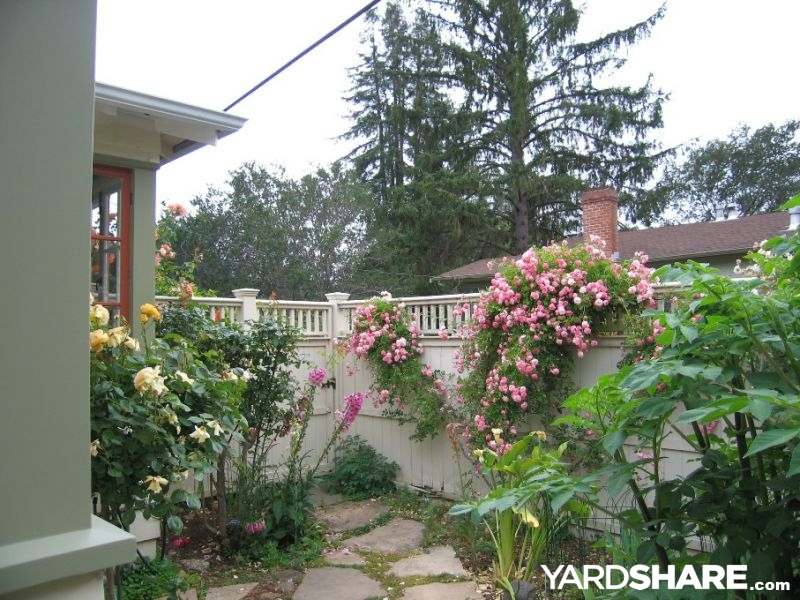
Pink climbing roses over a white fence at Mill Valley Cottage Garden in California, Zone 10, with rose bushes along a stone path.
Late November tempts a lot of us to tidy every shrub in sight. The leaves are down, you can finally see the branches, and a free Saturday feels like it should be enough. It is a good month to prune some things. It is a bad month to prune others, and the difference is not effort. It is timing.
The simple rule is this. Dead, damaged, and diseased wood can come out any time you see it. Almost everything else has a better season, and for many shrubs that season is late winter, or right after they flower in spring. Here is how to tell which job you have in front of you.
Safe to cut now, in almost any zone
These cuts do not ask the plant to grow. They just remove a problem.
- Dead wood. Scratch a doubtful twig with a thumbnail. If it is brown and dry under the bark instead of green, it is dead. Cut it back to live wood or to the trunk.
- Broken and storm damaged branches. A torn branch left hanging will tear further in the next wind. Cut it cleanly below the damage.
- Diseased wood. Cut well below the sick part, into clean wood, and clean your pruners before the next plant so you do not carry the problem with you.
- Branches that cross and rub. Two branches rubbing will wound each other all winter. Keep the better placed one and take out the other.
- A hazard you can reach safely. A dead limb over a path or a driveway is a now job. A big limb, a limb near wires, or anything you would need a ladder and a chainsaw for is a job for a tree company, not a weekend.
At Our House On The Corner in New York, in Zone 6, Sue Sheldon started with a house surrounded by, in her words, half dead hedges, with a few shrubs worth saving. That is the right way to think about a November cleanup like hers. First take out what is plainly dead. Then stop and look before you decide what else, if anything, needs cutting this year.
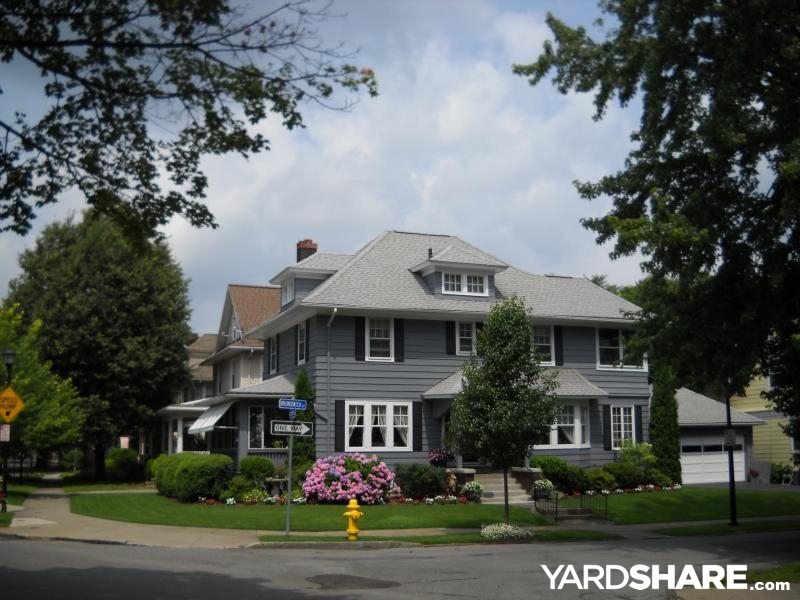
A corner house in New York, Zone 6, with neat foundation shrubs and hedges, a flowering hydrangea by the steps, and a small tree in a tidy front lawn.
Leave these alone until their season
- Spring flowering shrubs. Lilac, forsythia, azalea, rhododendron, and early flowering spirea already made next spring's flower buds last summer. If you prune them now, you cut the flowers off. Prune these right after they bloom instead.
- Hydrangeas, unless you know which kind you have. The big blue and pink mophead kinds bloom on old wood, like the spring shrubs above. The white panicle kinds and the smooth kinds bloom on new wood and can be cut in late winter. If you are not sure which you have, leave it alone this fall. A missed year of pruning costs nothing. A wrong one costs a summer of flowers.
- Fruit trees, for their main pruning. Taking out dead wood now is fine. The real shaping and thinning is a late winter job, while the tree is fully dormant and before the buds swell in spring. In cold zones, big cuts made in late fall can be hurt by the hard cold that follows.
- Roses, for their main pruning. See the rose note below. November is for a light tidy only in most places.
- Evergreen hedges and conifers, for any hard cutting. A light tidy of a stray shoot is fine in a mild yard. Hard shaping is a spring and early summer job, and most conifers will not grow back from bare old wood if you cut into it, so never cut a conifer back past its green growth.
- Anything that is borderline hardy in your zone. Leave the top growth on tender shrubs and perennials until spring. That extra growth, untidy as it looks, shelters the crown through cold snaps.
A short note on roses
Roses cause the most November confusion, because the right month moves with your winters.
At Mill Valley Cottage Garden in California, Randi Deutsch grows, in her words, over 100 rose bushes and climbers, the pink climbers over the white fence in the first photo among them. In a mild yard like that one, in Zone 10, the main rose prune is a January job, not a November one. For now, take out dead and crossing canes, tie climbers in so winter wind does not whip them loose, and leave the shaping for January.
In Zones 6 to 8, do the same light tidy now, and if a tall bush rose is catching the wind and rocking in the ground, you can shorten the longest canes a little to stop the rocking. Save the real prune for late winter, when the buds start to swell. In Zones 3 to 5, leave roses mostly alone, mound mulch or soil around the base of tender kinds after the ground turns cold, and prune in spring when you can see what winter actually killed.
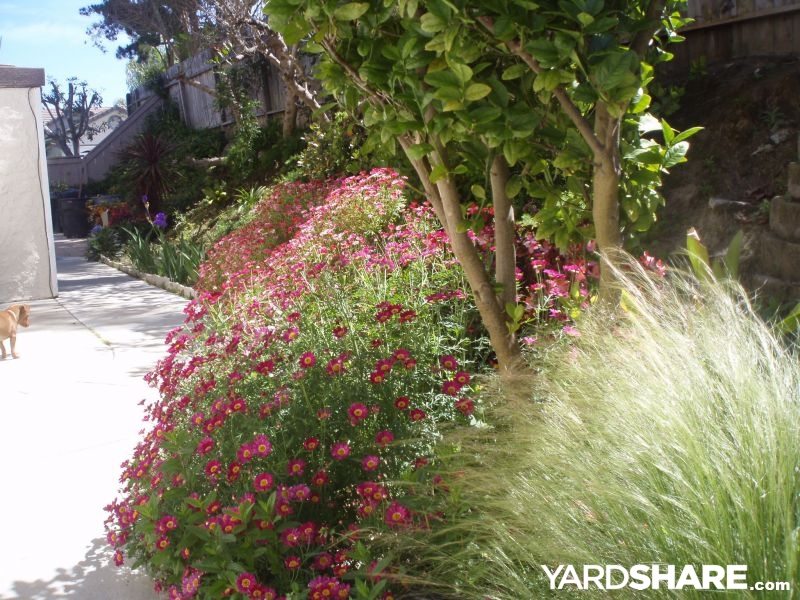
A sloping bed in Carlsbad, California, Zone 9, with pink flowering shrubs, ornamental grass, and a small multi trunk tree along a driveway.
How to make a clean cut
Good timing with a bad cut still hurts the plant. Four habits cover most home pruning.
- Use bypass pruners for live wood, the kind where two curved blades pass each other like scissors. Save the flat anvil kind for dead wood only. Keep the blades sharp. A dull tool crushes instead of cuts.
- Cut in the right place. For a shrub branch, cut just above a bud that faces the way you want new growth to go, usually outward. For a tree branch, cut just outside the raised ring of bark at the base of the branch, called the branch collar. Do not cut flush with the trunk, and do not leave a long stub. Both heal slowly.
- Take big branches in pieces. Cut a heavy limb back in sections, and make a small undercut first so the bark does not tear down the trunk when the piece falls.
- Clean up as you go. Pick up diseased clippings and throw them out instead of composting them, and wipe or wash your tools when you move from a sick plant to a healthy one.
In Carlsbad, California, in Zone 9, the English Country Garden in the photo above is full of the kind of mixed planting where this matters most: roses, fruit trees, and flowering shrubs all in one yard. Each of those wants a different month. The yard works because the owner learned them one at a time, which is exactly how to approach your own list.
Zones 3 to 5: mostly wait
Your safest November pruning is the safe list at the top of this post and nothing more. Heavy pruning now can push a plant to heal and harden off right as your hardest cold arrives, and you cannot yet see what winter will kill. Mark the shrubs you want to shape, take photos while you can still tell them apart, and put the main job on the late winter calendar. That is not putting it off. Late winter, just before spring growth, is the best pruning time for most trees and summer flowering shrubs in cold zones.
Zones 6 to 7: cleanup now, shaping in late winter
Do the dead, damaged, and crossing work now, while you can see the branch structure clearly. Hold the shaping of deciduous trees and shrubs until late winter. Leave spring bloomers and old wood hydrangeas completely alone. For roses, light tidy only, as above.
Zones 8 to 9: light work now, main work in January
Your plants rest for a shorter, milder stretch, so the calendar shifts earlier, but November is still early for heavy cutting. Tidy hedges lightly if they are shaggy, remove dead wood anywhere, and tie in climbers. Put fruit trees, roses, and any hard shrub shaping on the January list, when your plants are at their most dormant and spring is close enough that cuts heal into new growth.
Zones 10 and up: tidy, do not chase growth
In the warmest yards, many plants never fully stop. Prune for safety and shape a little at a time, take out dead wood as you see it, and avoid heavy pruning that forces a flush of soft new growth right before a rare cold night can burn it. Roses and fruit trees still get their main prune in your coolest month, usually January.
A simple weekend plan
Saturday morning: walk the whole yard with pruners and a saw, and do only the safe list. Dead, broken, diseased, crossing, and anything hanging over a path. Saturday afternoon: clean and oil your tools, tie in any loose climbers, and write down the shrubs you almost cut, with the month each one actually wants. Sunday: leave the pruners in the shed. That list you wrote is the real product of this weekend, and it will save next spring's flowers.
See more like it
- Randi's roses in California: Mill Valley Cottage Garden
- Sue's corner house in New York: Our House On The Corner
- Roses and fruit trees in Carlsbad: English Country Garden in Carlsbad, CA
- Rose garden ideas
- Cottage garden ideas
- Zone 6 yards and Zone 9 yards
- Find your zone: Hardiness Zones reference