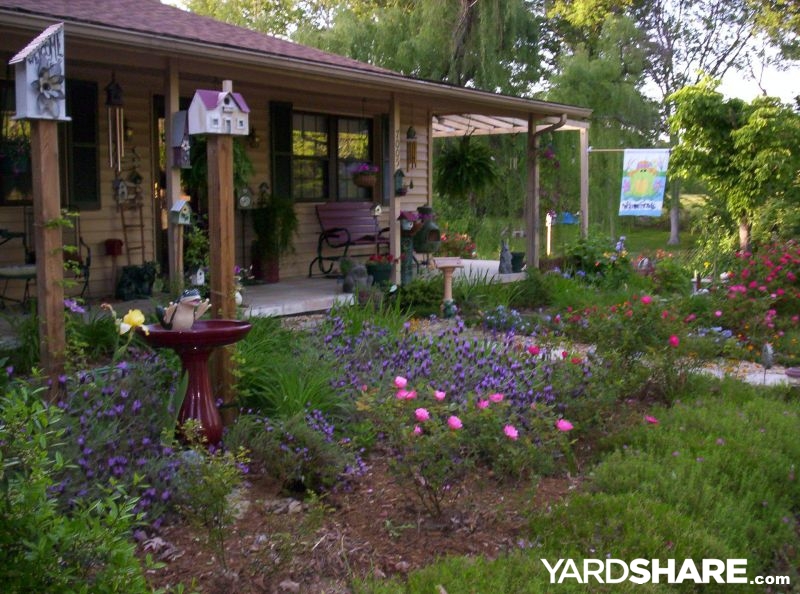
Deronda's cottage garden in Tennessee, Zone 6, with roses and shrubs filling a front bed under big trees.
If you have been putting off planting a tree or a shrub, November may be the best weekend left to do it. The air is cool, so a new plant loses less water through its leaves. The soil is still warm from summer, so roots keep growing after the top slows down. A tree planted now spends the winter making roots, and it starts spring ahead of a tree planted in April.
That is true in most zones, but the details change with how cold your winter gets. Start with the planting itself, then find your zone below.
How to plant, step by step
Pick the spot for the mature plant, not the small one in the pot. Read the tag for mature width, keep big trees well away from the house, power lines, and septic lines, and call your local utility marking service before you dig.
- Dig wide, not deep. Make the hole two to three times as wide as the root ball and no deeper. The point where the trunk widens at the base, called the root flare, should sit at ground level or a little above it. Planting too deep is the most common mistake, and the slowest to forgive.
- Free the roots. Take the pot off, loosen roots that circle the ball, and cut or spread the worst of them. For a balled tree, set it in the hole before you pull back burlap and wire from the top of the ball.
- Backfill with the soil you dug out. You do not need to mix in bags of amendments. A new tree does best learning to live in your real soil from the start. Fill halfway, water to settle out air pockets, then finish filling.
- Water deeply the same day. Soak the whole root zone slowly, even if rain is forecast. Forecast rain is often less than it sounds.
- Mulch wide and keep it off the trunk. Spread 2 to 4 inches of mulch in a wide ring, pulled back a few inches from the bark. A flat, wide ring helps roots more than a tall pile against the trunk, which holds moisture against bark and invites rot.
- Stake only if the plant needs it. A tree that rocks in a windy spot or leans under a heavy top can use a loose stake for one season. Take stakes and ties off within a year so the trunk grows strong on its own.
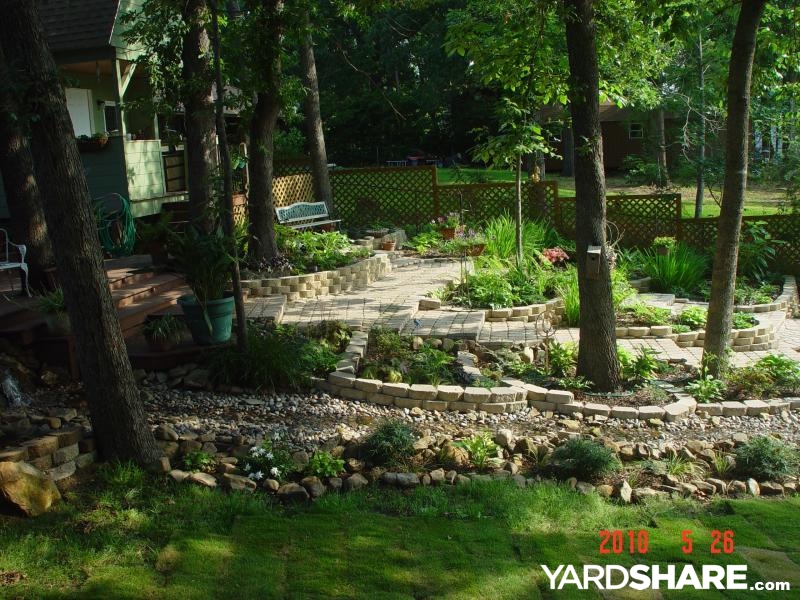
A terraced shade garden under tall pecan trees at Lucky on the lake in Texas, Zone 8, with young shrubs and a small tree planted in the beds.
Planting under and around big trees
Many yards already have the big trees. David and Kay Miller, at Lucky on the lake in Texas, added beds around their pecan trees and built a shade garden on the slope below them. That is the other half of fall planting: filling in under what is already there.
Roots from a big tree take most of the water near the surface, so new shrubs under a tree need extra watering for the first full year, not just the first month. Dig planting pockets between big roots instead of cutting through them, and pick plants that can handle shade and dry soil once they settle in. Fall helps here too, because the big tree is using less water as its leaves drop.
Zones 3 to 5: plant only if you can still dig and water
Your window is closing. If the ground is still open and you can water a new plant in well, a hardy tree or shrub can still go in. If the soil is freezing at night and staying hard, wait for spring. A plant that goes in and cannot be watered, in ground it cannot root into, gains nothing from fall.
Spend November on the plants you put in this year instead. Water evergreens and new trees and shrubs deeply before the ground freezes for good. Dry roots are a common reason a new plant does not come back in spring. Add mulch after the ground has frozen lightly, which helps hold the cold steady through freeze and thaw swings.
Zones 6 to 7: this is your main window
Mid November is prime planting time in these zones. Deronda, in Knoxville, Tennessee, in Zone 6, started with a fixer upper that had, in her words, no landscaping but the big trees. The cottage beds, roses, and shrubs that fill Deronda's Gardens now are the kind of planting fall is made for.
Plant trees, shrubs, and hardy perennials now and water them in well. You want a few good waterings before the ground freezes hard. Keep watering during dry spells through winter whenever the ground is not frozen. Rain and snow help, but a dry three week stretch still counts, even in January.
One caution: if a plant is right at the edge of hardy in your zone, wait until spring to plant it. A borderline plant does better with a full growing season in the ground before its first winter.
Zones 8 to 9: your best planting season starts now
Fall and winter are the easiest planting months in warm zones. Roots grow slowly through a mild winter, summer heat is far away, and winter rain does part of the watering. Trees, shrubs, and perennials planted now are settled long before the stress of next summer.
In Bandon, Oregon, in Zone 8, one member landscaped a new home on a retired budget, mixing store bought plants with free coastal finds. A small tree, shrubs by the fence, and climbing plants on an arbor all went in during the cool months a coastal yard allows. That slow, steady approach works well now: plant a few things at a time, water each one in, and let winter rain take it from there.
Still water new plants when rain skips a week or two. Mild does not mean wet every week.
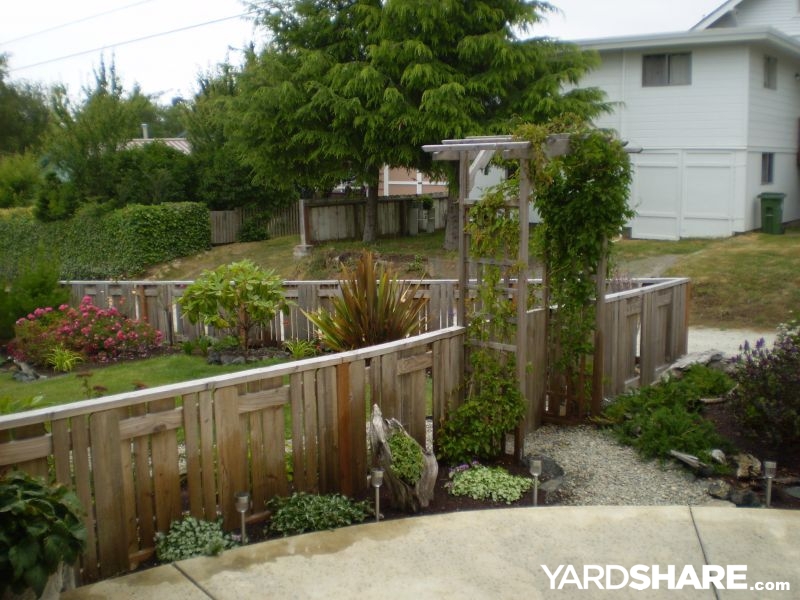
A front yard in Bandon, Oregon, Zone 8, with a young tree, shrubs along a wooden fence, and a vine covered arbor.
Zones 10 and up: use the cool season, protect the tender ones
Plant hardy trees and shrubs now and let them root in the coolest, kindest part of your year. Water deeply at planting and keep an eye on dry, windy spells.
Hold tender tropical plants until spring, even if a nursery has them on sale now. One cold snap can undo a tender plant that has not had time to settle in. November is for the tough backbone of the yard in your zone. Tender color can wait.
Moving a shrub that is in the wrong place
Late fall is also a good time to move a small shrub in Zones 6 to 9, once its leaves have dropped or growth has slowed. Water it the day before, dig wide to keep as much root as you can, move it straight to a hole already dug in the new spot, and water it in like a brand new plant. Big shrubs are heavy and lose a lot of root. When in doubt, leave a big one where it is and plant new around it.
A simple weekend plan
Saturday morning: pick one tree or shrub, check the mature size, mark utilities, and dig the wide hole. Saturday afternoon: plant it, water it deeply, and mulch the wide ring. Sunday: write the plant name and planting date on a tag or in a notebook, check the water once more, and walk the yard for the next spot. One plant planted well beats five planted in a rush.
See more like it
- Deronda's yard in Tennessee: Deronda's Gardens
- Shade beds under big trees in Texas: Lucky on the lake
- A new home yard in coastal Oregon: Bandon Landscaping Project
- Shade garden ideas
- Front yard ideas
- Zone 6 yards and Zone 8 yards
- Find your zone: Hardiness Zones reference