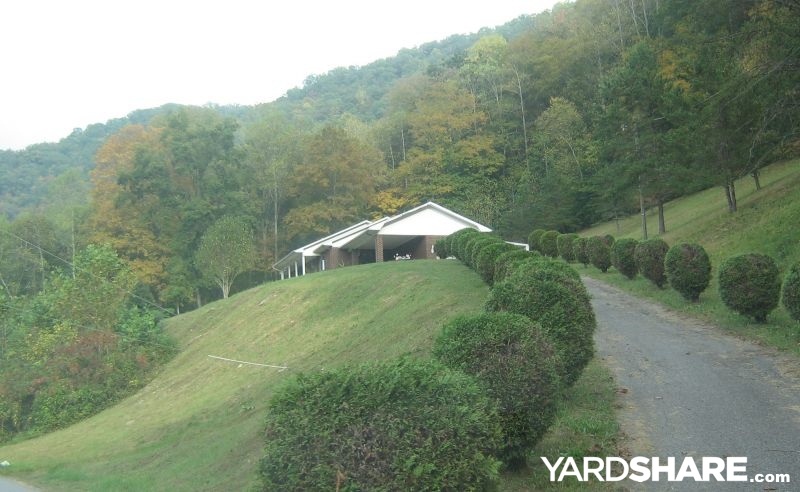
Fall color at a West Virginia home, from the yard Fall colors from my WV. home.
November is the month the yard slows down, but it is not done. The right jobs depend on how cold it already gets where you live, so this guide is split by hardiness zone. Find your group, and the rest can wait.
Jobs for almost everyone
Start with leaves, because they drive everything else. A thin layer mowed into the lawn is free food for the grass. A thick layer left whole will smother it, so rake or mow the heavy fall off the lawn and shred it for the beds. Shredded leaves make a good winter blanket. Whole leaves tend to mat down and stay soggy.
While you are out there:
- Cut back perennials that had disease this year, like mildewed leaves or spotted foliage, and throw that material out instead of composting it.
- Leave healthy seed heads and ornamental grasses standing if you like the look. They feed birds and give the winter yard some shape.
- Drain garden hoses, coil them under cover, and shut off or insulate outdoor faucets before a hard freeze finds them.
- Clean and oil hand tools, and move clay and terra cotta pots under cover. Wet soil freezing in a clay pot is what cracks it.
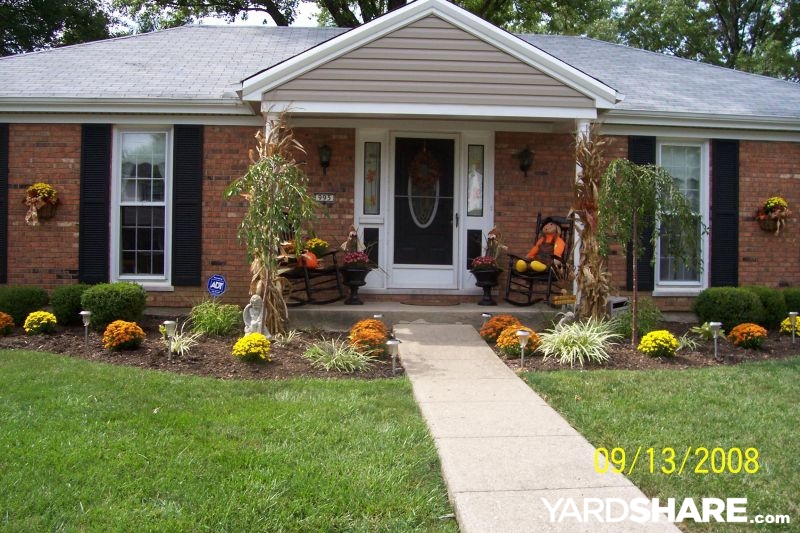
The front of a house dressed for fall with mums, from the yard Ready for Fall.
Zones 3 to 5: winter is close
If your ground is starting to freeze, November is for finishing, not starting.
- Bulbs and garlic are a last call. Plant only while you can still dig easily, pointy end up, about three times as deep as the bulb is tall. Water once, then mulch.
- Wait to mulch beds heavily until the ground has frozen lightly. Mulch put on too early keeps the soil warm and invites mice to move in. A few inches of straw or shredded leaves after a freeze holds the cold in, which is the point.
- Water evergreens and any trees or shrubs planted this year until the ground freezes. Dry roots going into a cold winter is a common reason a new plant does not come back.
- Give the lawn its last mow a little shorter than summer height, around 2.5 to 3 inches, and keep leaves off it. Skip fertilizer now if the ground is already cold. That window has closed for most cold yards.
Zones 6 to 7: your main November window
This is prime time for the classic fall jobs.
- Plant spring bulbs now: tulips, daffodils, crocus, and alliums. November planting still gives them the cold weeks they need before spring.
- Put garlic in if you have not yet. Set cloves 2 inches deep and 6 inches apart, then cover the bed with 4 to 6 inches of straw once the nights turn cold.
- Trees and shrubs can still go in. The soil is cool, roots keep growing after the leaves drop, and rain does part of the watering. Water well at planting and keep new plants watered in dry spells.
- For lawns, do a final mow, keep the leaves mulched or removed, and a late fall fertilizer is fine while the grass is still green and the ground is not frozen. Check local rules first, as some towns limit fall fertilizer near water.
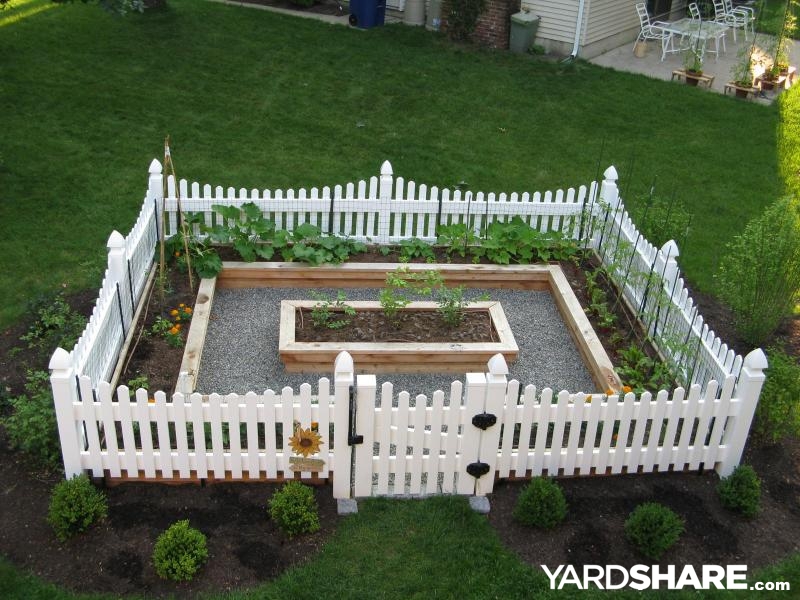
Cedar raised beds with a gravel path, from the yard Cottage Style Vegetable Garden.
Zones 8 to 9: still planting season
Your November is milder, so the list is longer and the freeze jobs are lighter.
- Plant trees, shrubs, and perennials now and let winter rain help settle them in.
- Hold tulips and hyacinths in the refrigerator for 8 to 10 weeks before planting. Most warm yards do not get enough winter chill in the ground for those two. Daffodils bred for the South and paperwhites do not need the extra chill.
- Garlic goes in late this month into December in most Zone 8 and 9 yards.
- Sow or transplant cool season vegetables and annuals where your winters stay mild, and keep new seed watered. Beds like the cedar raised beds in the photo above are easy to cover on the few cold nights that do show up.
- You can ease off irrigation as rain picks up, but do not shut it down for new plantings.
Zones 10 and up: keep growing, adjust the water
November is a working growing month in the warmest yards. Keep planting, watch watering as days shorten, and use the cooler weather for the heavy jobs that are miserable in summer heat, like moving shrubs, laying paths, and building beds. Hold off on pruning anything that a rare cold snap could damage until you see how the winter shapes up.
A simple weekend plan
Saturday morning: clear leaves off the lawn, mow if you still need a final cut, and shred what you raked for the beds. Saturday afternoon: plant the bulbs or garlic for your zone, and water them in. Sunday: drain the hoses, cover the faucets, put the clay pots away, and walk the yard once with a notebook. Write down what crowded, what flopped, and what you want to move in spring. That short list is worth more in April than any plan made from memory.
See more like it
- Vegetable and kitchen beds: vegetable garden ideas
- Lawn care and lawn ideas: lawn ideas
- Mid climate yards: Zone 6 yards and Zone 7 yards
- Warm climate yards: Zone 8 yards and Zone 9 yards