Landscape lighting is easy to over-simplify. A few path lights are useful, but the best real yards usually do more than mark an edge. Lighting helps people move through the yard, draws attention to water and stone, makes patios usable after dinner, and turns entries or compact corners into places that still feel intentional after sunset.
The YardShare examples below are useful because they are not showroom renderings. They are real yards with real constraints: big backyards, small front yards, water-wise courtyards, outdoor kitchens, ponds, pergolas, and fire features. Use them as pattern studies, not as a rule that every yard needs the same fixture package.
1. Use path and walkway lighting to make movement feel intentional
Path lighting works best when it supports a route people already want to take. The point is not to line every edge with identical fixtures; it is to make transitions legible: front walk to entry, patio to garden, gate to side yard, or stepping path to a water feature.
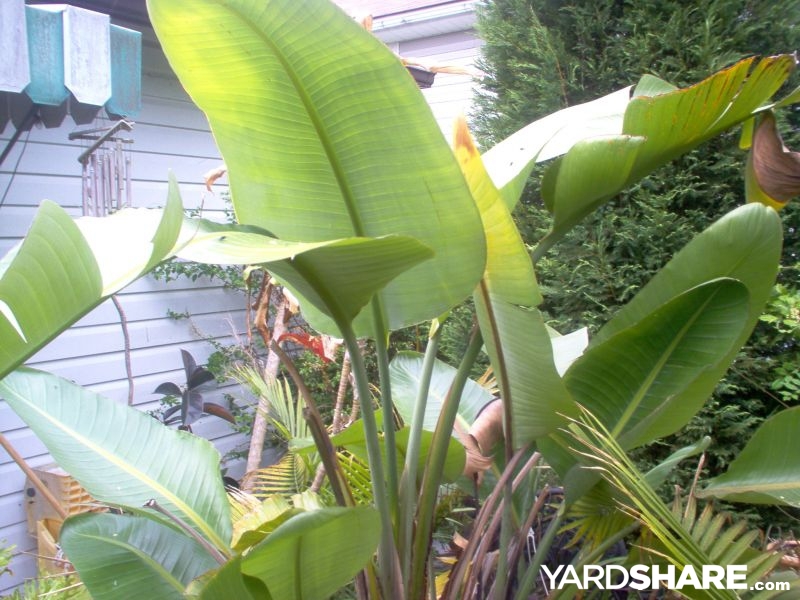
- The Jungle is a strong path-and-discovery example, with lighting connected to front-yard, side-yard, hardscape, small-space, and water-feature context.
- La Maisonnee describes pathways throughout the landscape and bridges lighting with patio, side-yard, water-wise, spa, and stone/rock features.
- Wade's Paradise Island includes patio-at-night context and connects front yard, garden, lighting, patio, pool, and side-yard ideas.
- CA water-wise, lawn-free, sustainable, front courtyard puts lighting inside a no-lawn courtyard with paths, patio, pond, retaining wall, and stone elements.
Pattern to borrow: light the route, not just the fixture. The reader should be able to understand where to walk, where to pause, and what the next destination is.
2. Make patios and outdoor rooms usable after dinner
Patio lighting has a different job than path lighting. It should help people sit, cook, talk, and move around without making the outdoor room feel like a parking lot. In real yards, that often means a mix of perimeter cues, task lighting near cooking zones, and softer accents around plants, walls, or pergolas.
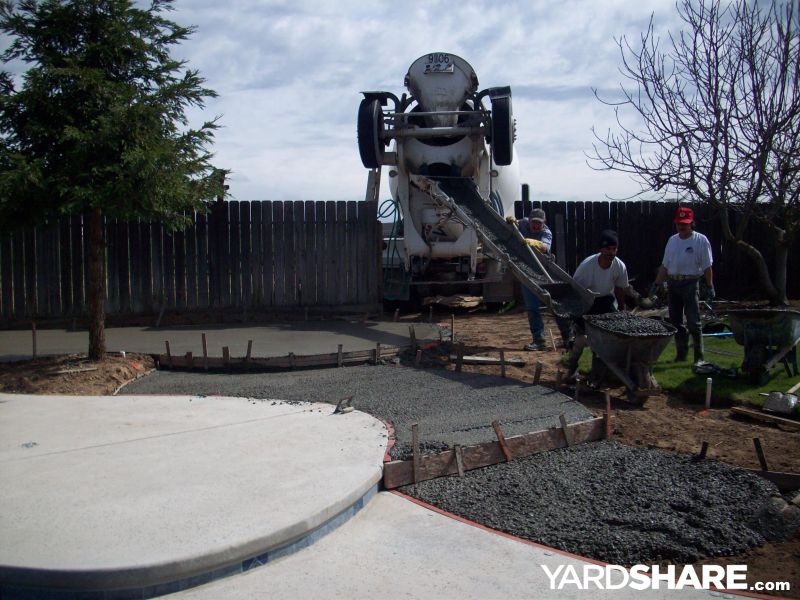
- Wife's big idea!!! is a practical outdoor-kitchen example with enough project depth to support a cooking-and-entertaining lighting discussion.
- Big Backyard combines lighting with patio, pool, lawn, side-yard, spa, and party-friendly use.
- TikiMan's Paradise bridges covered patio, lawn, lighting, patio, pond, water features, and outdoor-kitchen context.
- Our private sanctuary describes an outdoor living room, outdoor kitchen, entertaining area, and pondless water feature.
Pattern to borrow: separate task lighting from atmosphere. Cooking, steps, and doorways need clarity; seating areas usually benefit from softer, lower-glare light.
3. Let water features earn a nighttime focal point
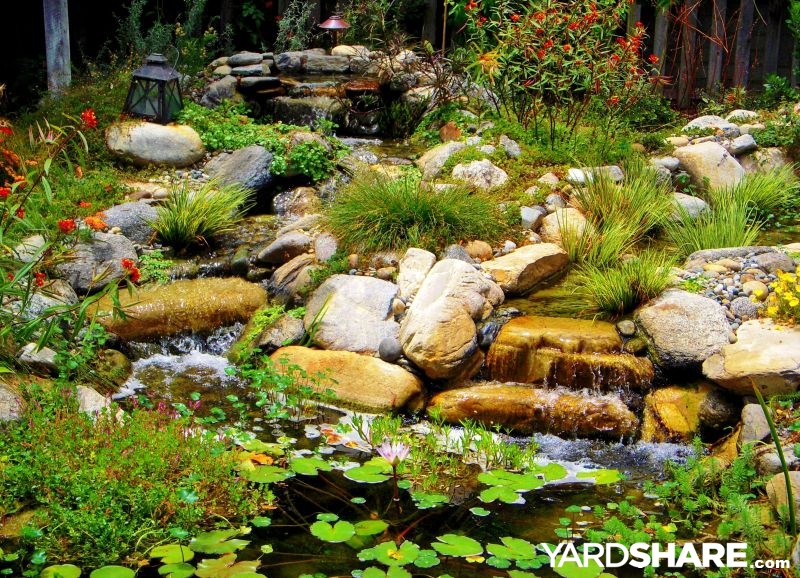
Ponds, waterfalls, fountains, and pondless streams are natural lighting targets because moving water already catches attention. The better pattern is to reveal texture, movement, stone, and planting without washing out the whole scene.
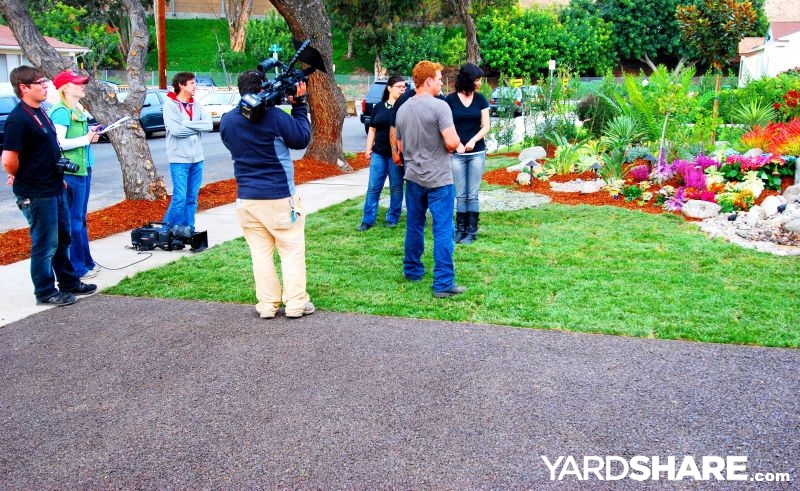
- Stunning Garden for Television Show explicitly mentions low-voltage lighting alongside a pondless waterfall, rainwater harvesting, native plants, and a recycled-tire driveway.
- Creating Paradise bridges covered patio, fireplace, path/walkway, pergola/arbor, pond, small-space, water fountain, water garden, water-wise, and waterfall cues.
- Endless Possibilities The Yellowjacket 2 includes a pool, patio, cedar pergola, outdoor kitchen, koi pond, waterfalls, and stream.
Pattern to borrow: water lighting should reveal movement and edges. Aim for enough light to see the feature and nearby footing, not so much that the water loses depth.
4. Keep fire and evening gathering zones safe without flattening the mood
Fire pits, fireplaces, and evening gathering areas already produce light. Additional landscape lighting should help people reach the area, see steps and edges, and keep nearby planting or walls from disappearing into blackness.
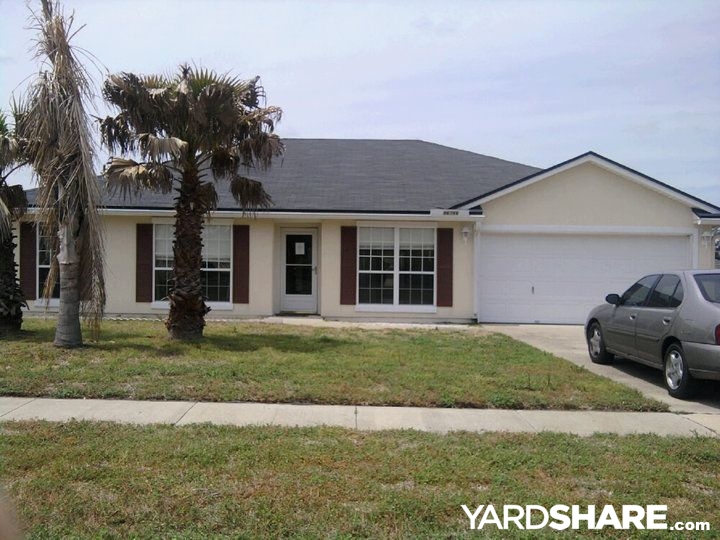
- Barb's Backyard bridges backyard, firepit, garden lighting, pergola/arbor, steps, and stone/rock.
- Endless Possibilities The Yellowjacket 2 combines fireplace, patio, pergola, path/walkway, pool, pond/waterfall, and outdoor-kitchen elements.
- Creating Paradise works here too, especially where fireplace, covered patio, pergola, path, and water features overlap.
Pattern to borrow: do not fight the firelight. Use low, practical lighting for steps, paths, and edges, then let the flame or fireplace remain the emotional center.
5. Treat entries, driveways, and curb appeal as arrival sequences
Entry lighting is partly practical and partly emotional. It tells visitors where to go, makes steps and grade changes safer, and gives the home a finished first impression. The best examples connect curb, driveway, path, planting, and front-door sequence.
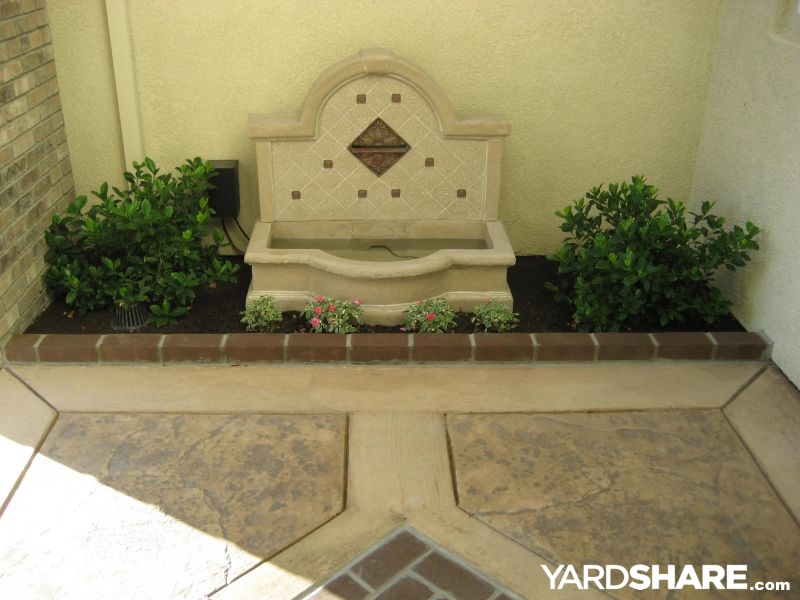
- Front Yard notes accent lighting and bridges front yard, path/walkway, small space, step-by-step project, and water fountain cues.
- Stunning Garden for Television Show ties low-voltage lighting to a driveway made from recycled tires, native plants, and a water feature.
- CA water-wise, lawn-free, sustainable, front courtyard bridges entry, path, patio, pond, retaining wall, and water-wise planting.
- La Maisonnee supports a broader arrival-sequence note where paths move people between landscape rooms.
Pattern to borrow: entry lighting should answer three questions quickly: where do I park, where do I walk, and where is the front door or main destination?
6. Use lighting to make compact spaces feel deliberate, not leftover
Small yards and compact corners benefit from lighting because there is less room for ambiguity. A tiny front yard, side-yard route, courtyard, or compact outdoor kitchen can feel much more intentional when its edges and best features remain visible after dark.
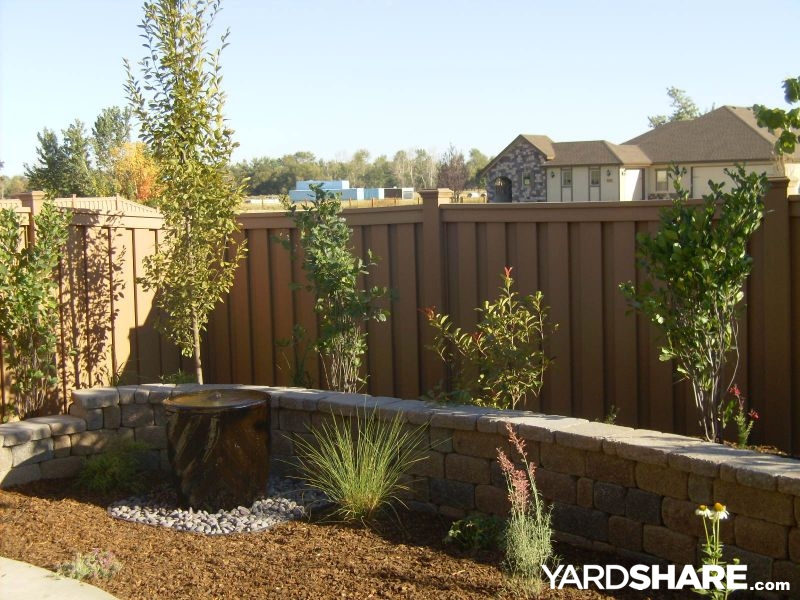
- The Jungle bridges small-space, side-yard, front-yard, lighting, hardscape, and water context.
- Front Yard combines accent lighting with a front-yard, path/walkway, water-fountain, and step-by-step project.
- Xeriscapes & waterwise landscapes gives the guide a water-wise/small-space bridge while also connecting to patio, side-yard, outdoor-kitchen, and lighting categories.
- Creating Paradise works as a compact evening-room example where covered patio, fireplace, path, and water features overlap.
Pattern to borrow: in small spaces, one or two well-placed lighting moves often matter more than quantity. Highlight the route, the best texture, or the main sitting spot.
Practical takeaways
- Start with use, not fixtures. A path, patio, outdoor kitchen, pond, fire area, and entry all need different light.
- Avoid over-lighting. Real yards usually feel better when lighting reveals edges and focal points instead of making the whole yard equally bright.
- Connect lighting to circulation. People need to understand how to move from driveway to door, patio to steps, and garden room to garden room.
- Use water and stone carefully. Waterfalls, fountains, rocks, and walls can look great with low light, but they can also glare if the angle is wrong.
- Be honest about the image. If a photo shows a daytime fixture, treat it as fixture placement or design intent; save after-dark language for images that actually show evening or night conditions.
If you are planning landscape lighting, pick one evening problem first: safer paths, a usable patio, a more welcoming entry, a visible water feature, or a fire zone that people can reach comfortably. Then study real yards with the same kind of space before buying fixtures.
For adjacent planning examples, see YardShare's guides to patio and outdoor-living zones, small-yard ideas from real gardens, water-wise transformations, and curb-appeal arrival sequences.