Small yards are not failed big yards. They are different design problems: every edge shows, every path matters, and a single oversized feature can either make the space memorable or swallow it whole.
That is why real examples are useful. Instead of starting with perfect stock-photo patios, we looked through YardShare gardens where people worked with compact backyards, courtyards, side yards, front patches, containers, and no-lawn planting zones. These patterns are not a universal formula, but they show repeatable ways tight spaces can become more usable and more interesting.
1. Turn a tiny backyard into one clear outdoor room
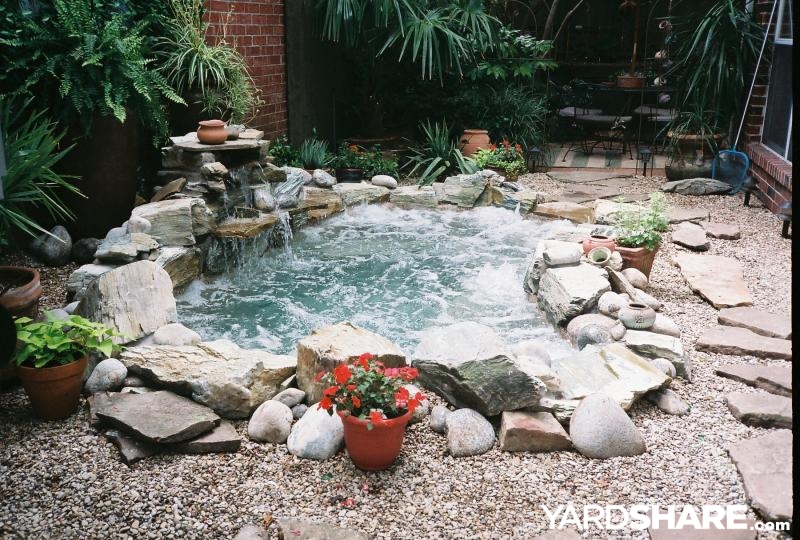
Example: Super small yard now has an in-ground spa.
The strongest small-yard examples tend to commit. Instead of squeezing every possible feature into a tight footprint, they make the yard read as one main outdoor room. A spa, patio, planting edge, or water feature works best when it supports one clear purpose instead of competing with three others.
2. Treat courtyards and patios as gardens, not just hardscape
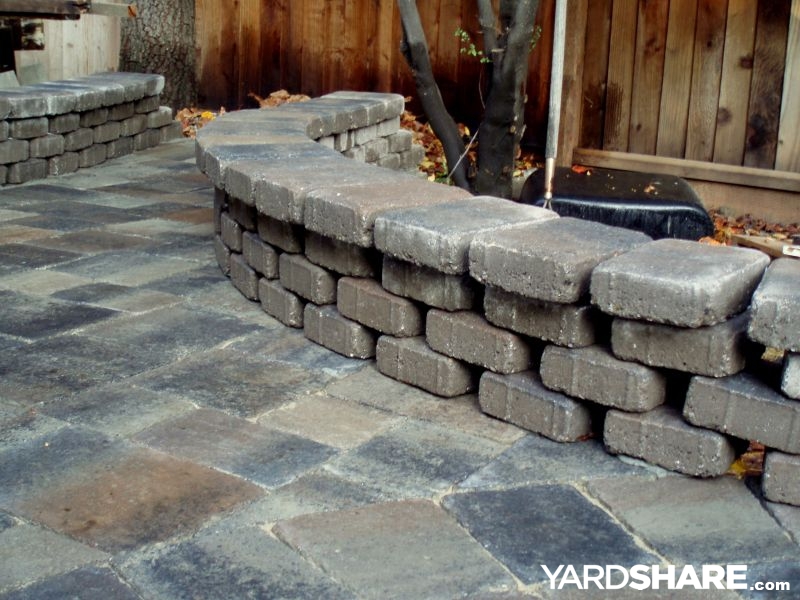
Example: urban garden.
Courtyard and patio gardens succeed when hardscape creates structure and plants soften the edges. In a small footprint, that balance matters: too much paving can feel bare, while too much planting can make the space hard to use.
3. Use side yards and narrow strips as sequences
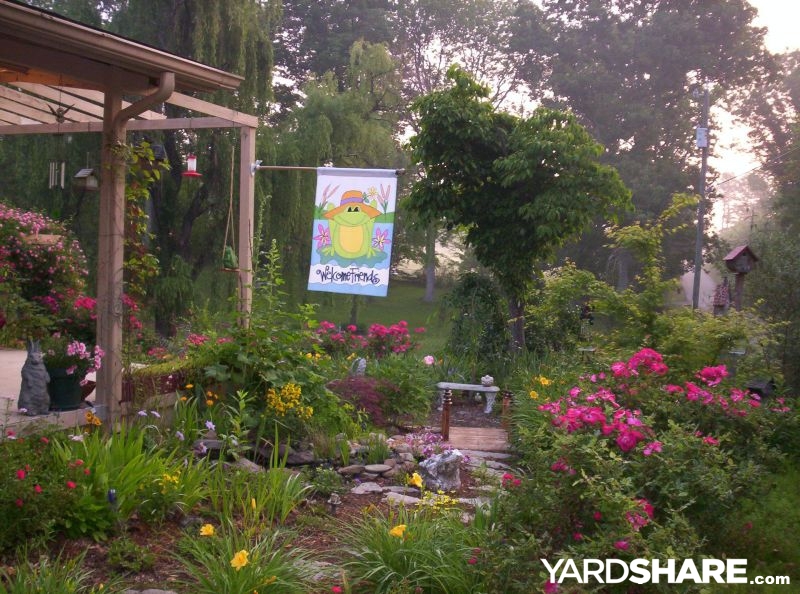
Example: My Memory Garden.
A narrow side yard rarely works as one big room. It usually works better as a sequence: gate, arbor, path, planting pocket, water feature, view, or destination. The goal is to make movement through the space feel intentional.
4. Let containers carry small front patches and entries

Example: Front Patch & Pots.
Containers are not just a backup plan for people without planting beds. In small entries, mobile-home fronts, rental-friendly patches, and narrow curb-appeal zones, pots can supply color, seasonal change, and flexibility without rebuilding the whole yard.
5. Replace small lawns with planting that fits the site
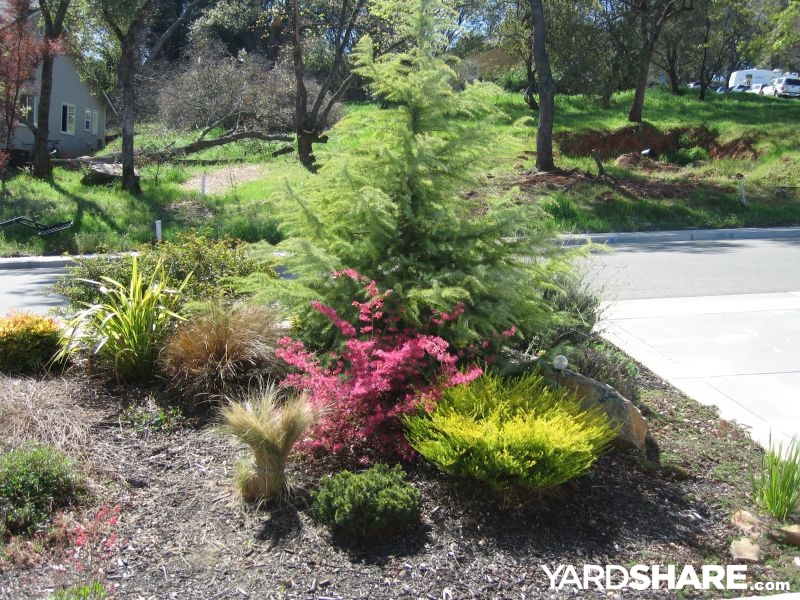
Example: Spring in the California Foothills.
In a tight yard, a small patch of struggling grass can take more attention than it gives back. Low-lawn or no-lawn planting is most convincing when it matches the site's water, shade, maintenance, views, and local climate.
More real small-yard examples to compare
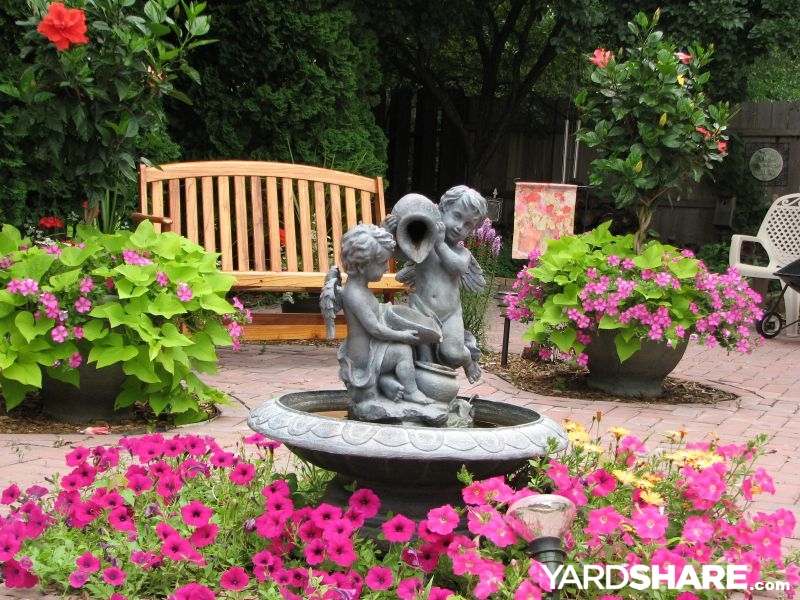
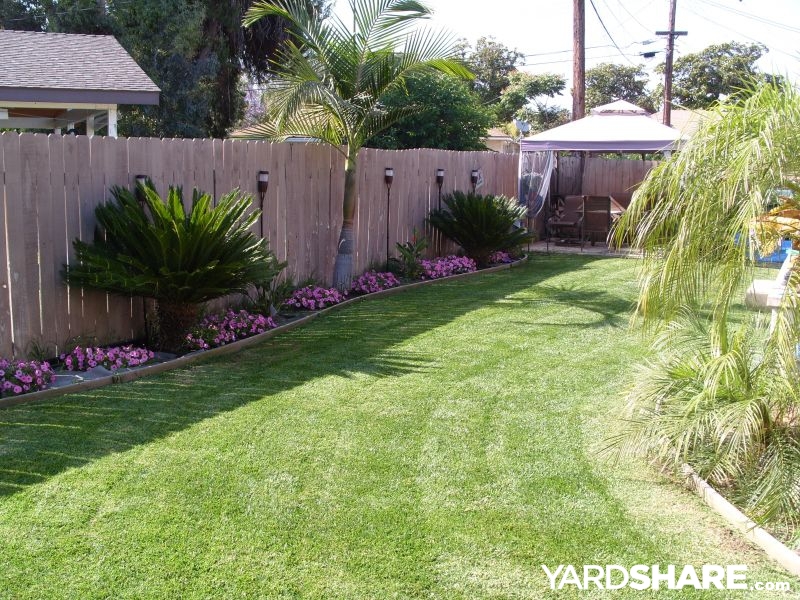
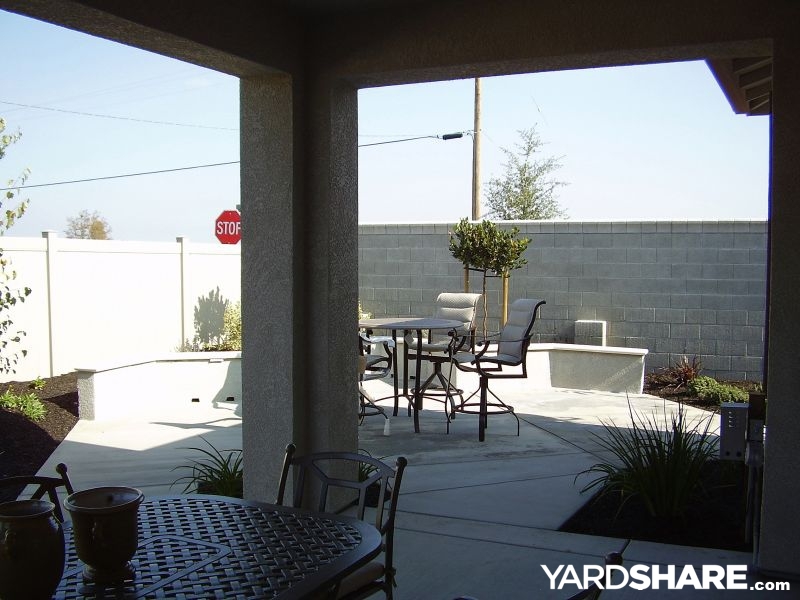
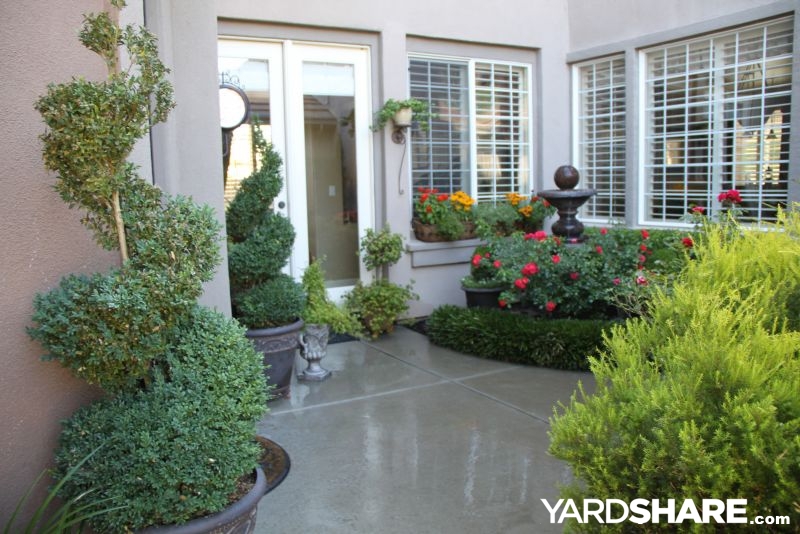
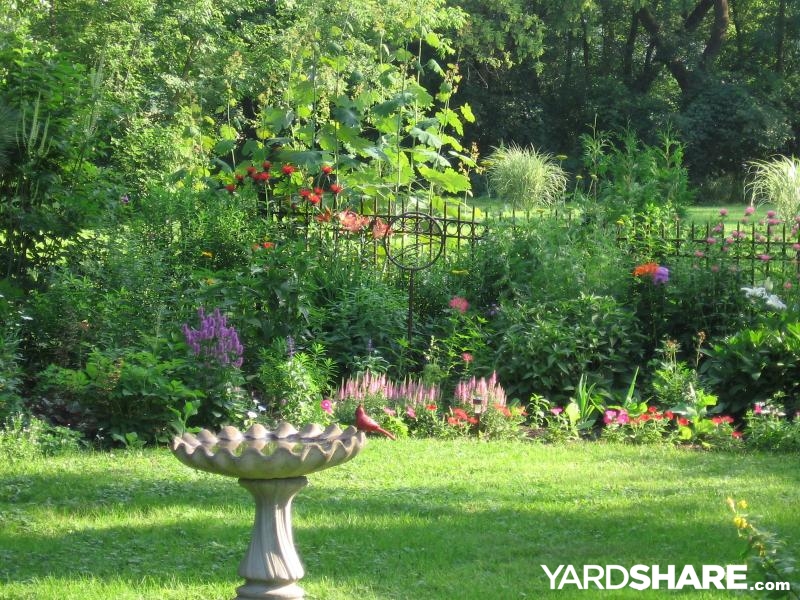
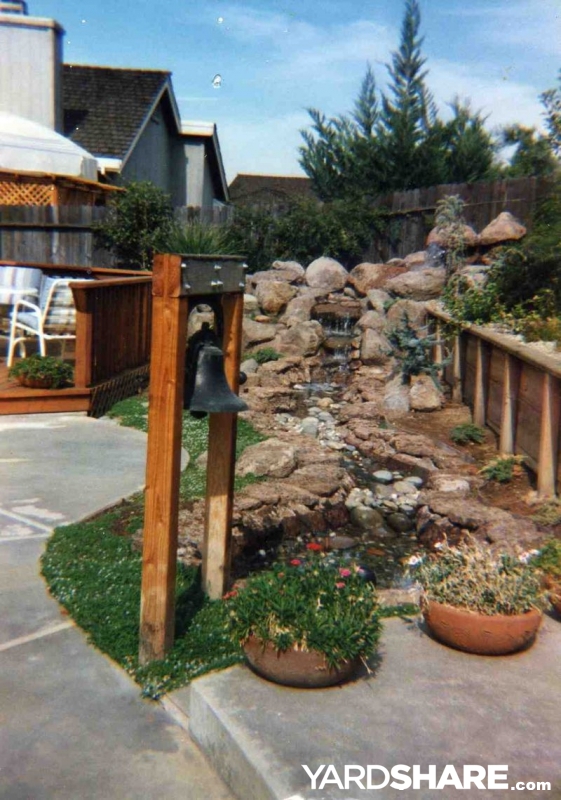
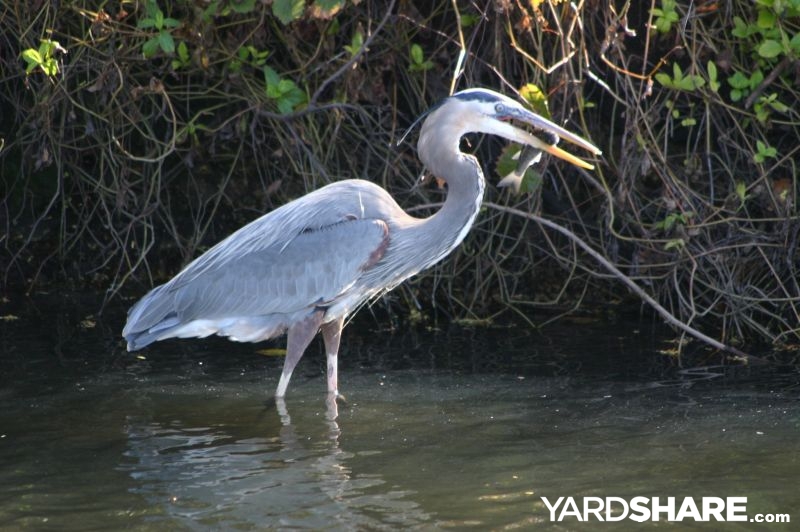
side & rear yard water feature
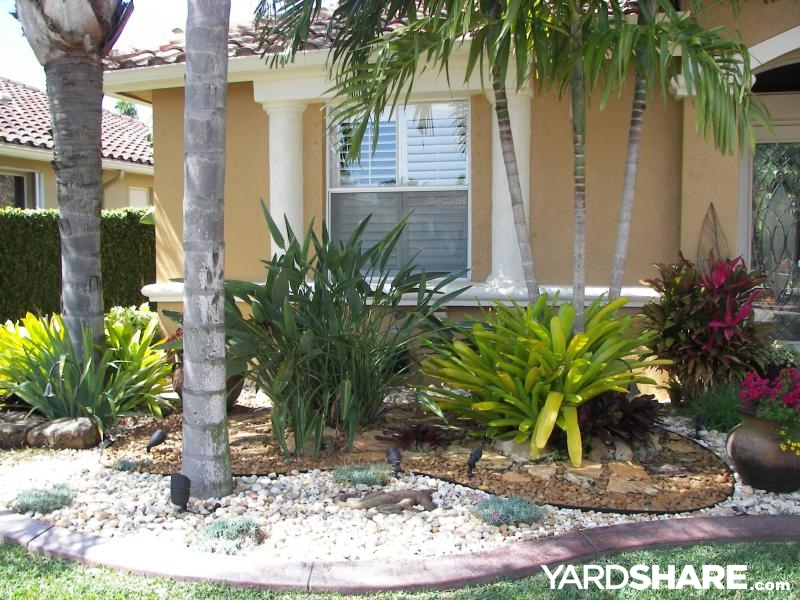
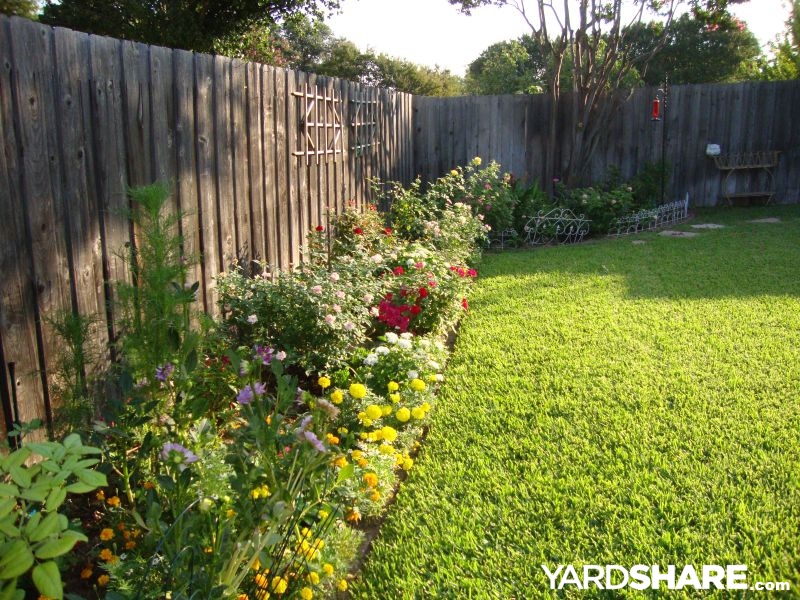
A few practical takeaways
- Pick the main job of the space. Spa, patio, entry garden, path, containers, or water-wise planting can all work; trying to do all of them at once is where small yards get cluttered.
- Use edges deliberately. Fences, walls, neighbors, slopes, and property lines shape the whole experience in a small yard.
- Design movement, not just objects. Gates, arbors, paths, and transitions are especially powerful in side yards and courtyards.
- Use containers for flexibility. Pots add color and scale where permanent beds are too expensive, too narrow, or too hard to maintain.
- Be honest about scale. Some examples are tiny. Others are constrained rather than small. That distinction helps readers plan more realistically.
If you are planning a small yard, start by choosing the pattern that best matches your space: a single outdoor room, a courtyard garden, a narrow sequence, a container-heavy entry, or a low-lawn planting area. Then study real yards that solved a similar constraint before deciding what to build.
For more archives, browse patio ideas, side-yard ideas, front-yard ideas, water-wise yards, or the main YardShare yard ideas library.
Planning how this space works after sunset? See YardShare's landscape lighting ideas from real yards for path, patio, and gathering-zone examples.