Most side yards start life as dead space. They are the strips people hurry through on the way to the gate, the run between front and back yard, or the awkward edge where utilities, drainage, and patchy shade gang up on each other.
But real YardShare homeowners keep showing the same thing: a side yard does not need much width to become useful. The best ones solve a job first, then layer in enough planting, texture, and destination energy to make the space feel designed instead of forgotten.
Below are six real-yard ideas worth stealing if you want your side yard to work harder.
1. Turn the side yard into a planted passage, not just a shortcut
Source: J & Ds garden
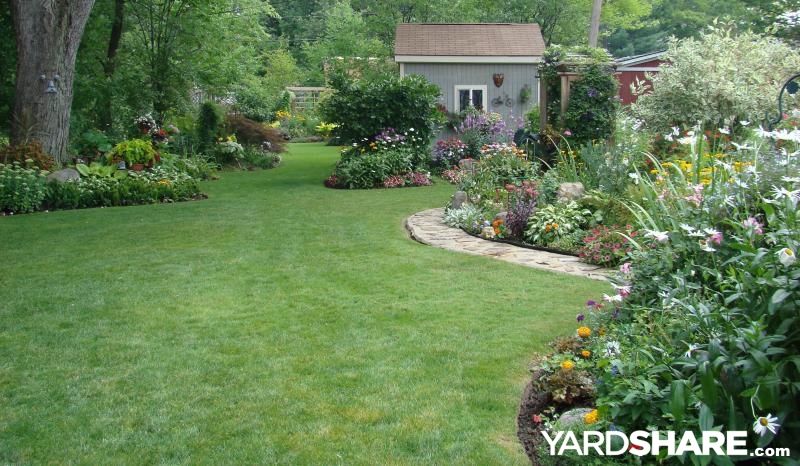
This yard is a great reminder that narrow circulation space can still feel generous if the route has rhythm. The side-yard views show a clear path, planting on both sides, and simple vertical accents that pull the eye forward.
What works here is the sequencing. Instead of treating the side yard like leftover square footage, the owners use it to connect different parts of the property. The path becomes a real garden experience, not just access.
Takeaway: If your side yard is mainly a route, lean into that. Add one clear walking surface, keep edges planted but controlled, and use an arbor, trellis, birdhouse, or tall container to make the trip feel intentional.
2. Let the side entrance do real curb-appeal work
Source: Cheaper than Therapy
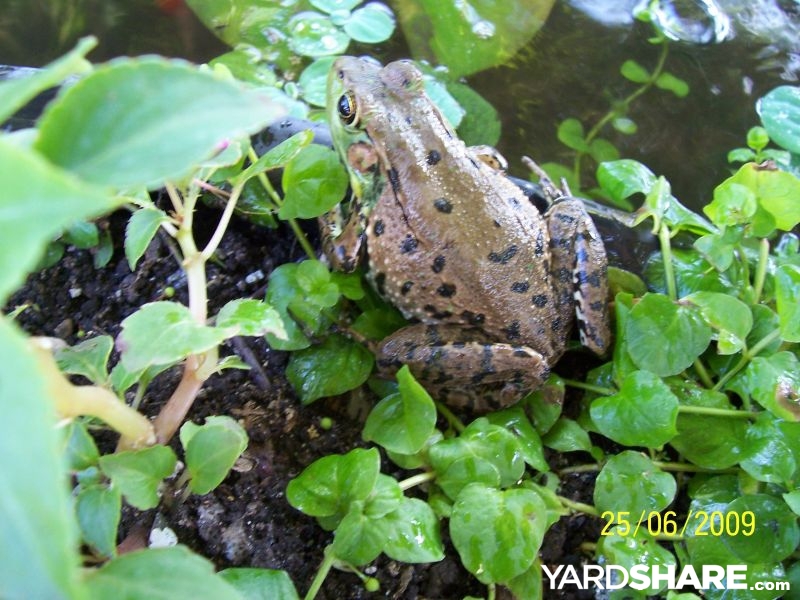
This is one of the strongest modest-homeowner examples in the pool because it feels earned, practical, and normal in the best way. The yard description talks about gradual improvement over years, and the side-entrance photo shows how perennials can soften the house edge without making the access route fussy.
The smart move is that this side area is doing double duty. It is still functional access, but it also helps the house feel more lived-in and layered from the moment you approach it.
Takeaway: A side yard near the driveway or gate does not need a huge redesign. Repeating perennials, one or two decorative accents, and simple water-management helpers like rain barrels can make the edge feel purposeful fast.
3. Solve drainage first, then make the fix beautiful
Source: Golf Course Garden
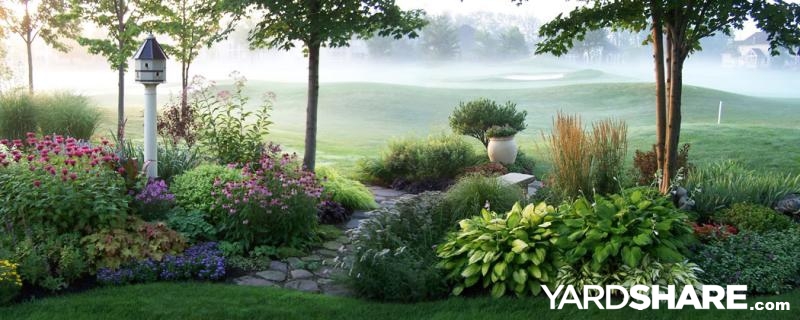
This is the most practical problem-solving example in the set. What was once a swampy edge became a side-yard route with pea gravel, stepping stones, a bench, and a dry-creek style drainage move that actually belongs to the design.
That is the gold in awkward strips: the best side-yard makeover is often not a flowerbed first. It is a water, grade, or access fix that also happens to look good once it is finished.
Takeaway: If your side yard stays wet or muddy, copy the logic before the look. Build the drainage answer into the design using gravel, bridge moments, stepping stones, or a narrow dry creek bed, then layer plants around it.
4. Use cottage-style density to make a narrow side feel lush
Source: Cottage garden
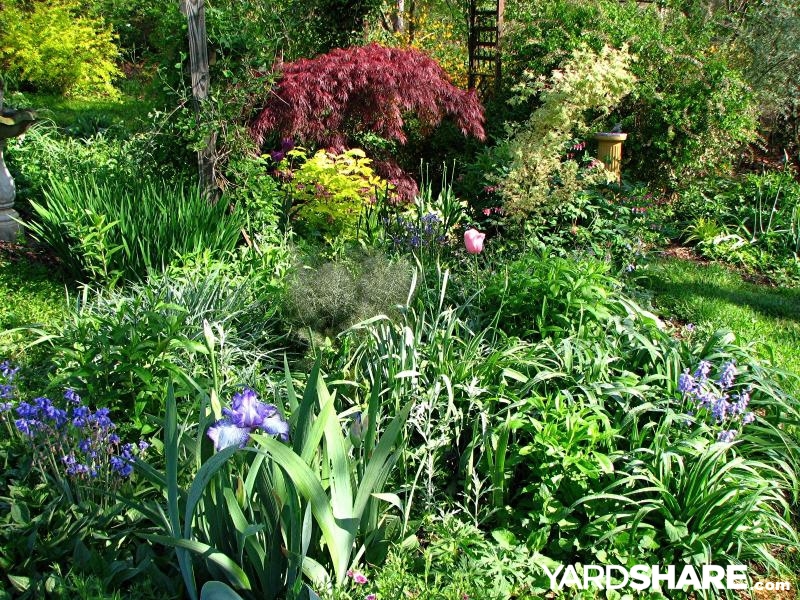
This yard shows how a side garden can feel immersive instead of skimpy. The pathway and side-garden shots use layered planting, soft edges, and destination cues like an arbor and birdbath to make the corridor feel like part of the garden story.
The lesson is not that every side yard should become a maximalist cottage border. It is that even a tight edge feels richer when planting has height changes and the eye gets a clear focal point.
Takeaway: Pick one small focal element for a narrow side yard, then support it with layered foliage and repeat color. That approach usually reads fuller than scattering lots of unrelated plants.
5. Build a foliage-heavy side yard that thrives in shade
Source: Arcadia
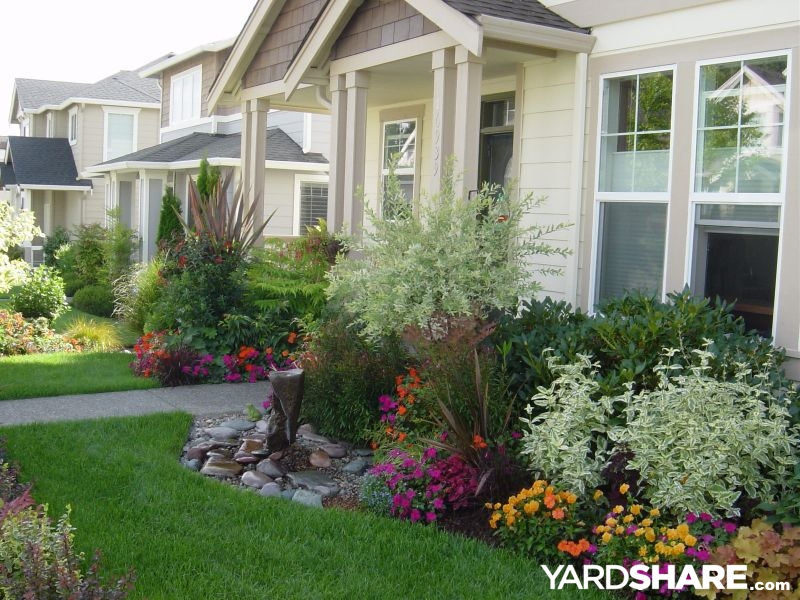
Some side yards are never going to be sun-loving flower borders, and that is fine. Arcadia is useful because the owner leads with foliage and texture, which is often exactly the right move for tighter house-side spaces.
A side yard that sits in filtered light can still feel lush if the planting palette is chosen for leaf shape, color contrast, and seasonal structure instead of nonstop bloom.
Takeaway: When the side of the house gets inconsistent light, stop forcing it to be a flower showpiece. A foliage-first plan usually feels calmer, survives better, and still looks finished.
6. Turn inherited or neglected edges into habitat-rich quiet space
Source: The Woods People
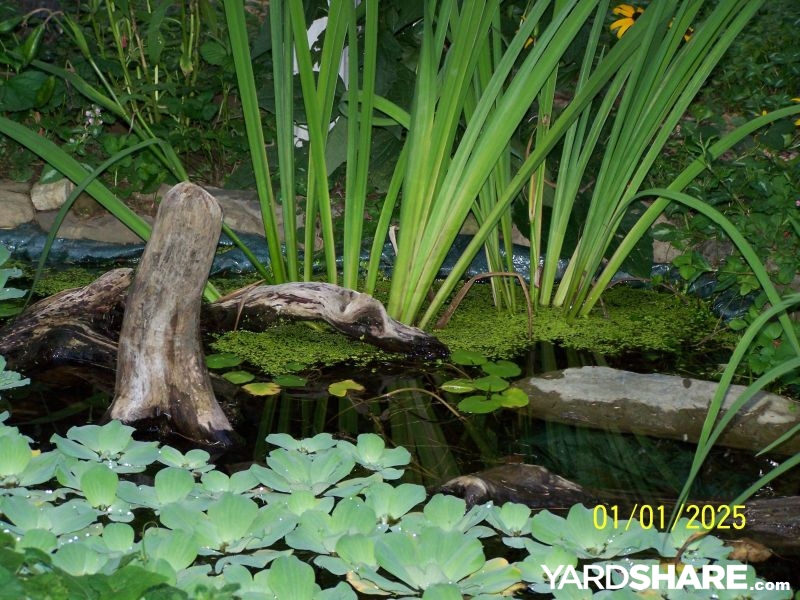
This example broadens the side-yard story in a useful way. The space started as a neglected inherited garden and became a layered, shady environment with hostas, water, and wildlife-friendly touches.
That matters because many homeowners are not starting from a pristine blank slate. They are dealing with mature trees, old shrubs, odd borders, and side zones that feel half-abandoned. This yard proves you can reclaim that kind of edge by improving comfort and habitat first.
Takeaway: If your side yard feels too shady or too established to overhaul, start with cleanup, a simple focal feature, and durable shade planting. Recovered side spaces often feel better when they become calm, tucked-away retreats rather than high-design showpieces.
The big pattern: side yards work best when they solve a problem
The best side-yard ideas on YardShare are not trying to imitate a giant backyard entertaining zone. They succeed because they answer a practical need:
- get people from front to back more gracefully
- improve privacy at the house edge or side gate
- manage drainage or soggy ground
- create a planted buffer instead of a blank wall zone
- carve out one tiny pause point, even if it is just a bench, birdbath, or view anchor
That is also where a little balcony crossover is useful. Small outdoor spaces of all kinds get better when every element earns its keep. Balcony gardens often rely on vertical planting, compact seating, and container density for that reason. Side yards can borrow the same discipline without pretending they are the same type of space.
Final takeaway
A good side yard does not need to be wide. It just needs a job.
If you treat it as a planted path, a drainage fix, a privacy strip, or a compact retreat, the awkward leftover zone starts pulling real weight. And once that happens, the whole property feels more considered.
If you want more real-yard ideas in the same practical lane, keep browsing YardShare’s path and walkway ideas, privacy ideas, patio ideas, container garden ideas, driveway ideas, and the spa landscaping roundup for adjacent moves that pair naturally with a hardworking side yard.
If your awkward side yard is part of a broader tight-site problem, compare it with these small yard ideas from real yards.